


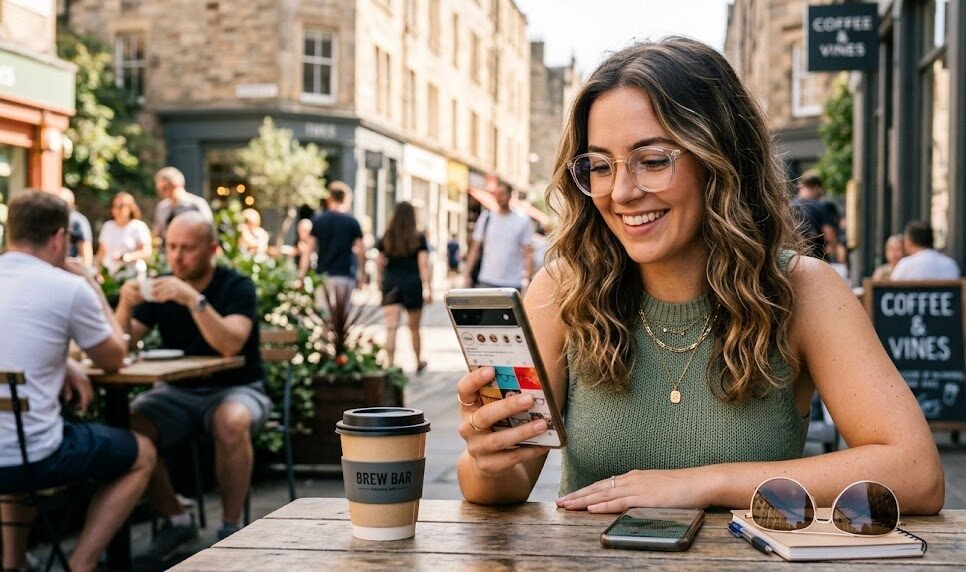
There was a time when glasses were treated like a side character in the fashion world. They sat quietly on faces, doing their job while everyone else obsessed over sneakers, jackets, and handbags. Fast forward to today, and eyewear has officially stolen the spotlight. Scroll through TikTok, Instagram, or Pinterest for five minutes and you’ll notice something immediately: glasses are no longer just vision tools. They are personality upgrades with nose pads.
From oversized vintage frames to futuristic transparent lenses, social media has turned eyewear into a full-blown cultural trend. Influencers coordinate glasses with outfits, creators build entire aesthetics around frames, and even gamers and streamers now use eyewear as part of their online identity. Somewhere along the way, glasses stopped whispering and started shouting style.
The funny thing is, social media didn’t just make eyewear popular again. It completely changed how people buy, wear, and think about glasses. A single viral TikTok can sell out a frame design overnight. Meanwhile, aesthetic hashtags create mini fashion universes where eyewear becomes the crown jewel of someone’s look.
So how exactly did eyewear become one of the hottest social media trends? Grab your favorite pair of frames and let’s dive into the wonderfully stylish rabbit hole.
The Rise of “Main Character” Eyewear
Social media thrives on visuals, and eyewear is basically a cheat code for visual storytelling. A pair of glasses can instantly transform someone’s vibe from “sleep-deprived college student” into “mysterious indie filmmaker who definitely owns vinyl records.”
Platforms like TikTok and Instagram helped normalize eyewear as a fashion-first accessory. Instead of hiding glasses, creators began showcasing them in outfit transitions, makeup videos, and lifestyle content. Suddenly, glasses became part of the personality package.
What makes eyewear so powerful online is its versatility. Different frames can completely alter someone’s appearance without changing their entire wardrobe. Round glasses create artistic energy, rectangle frames feel professional, and oversized designs scream confidence louder than a motivational podcast at 5 AM.
This transformation has especially resonated with younger audiences who value individuality. Social media encourages self-expression, and eyewear fits perfectly into that culture. It’s customizable, stylish, and surprisingly emotional.
TikTok Made Eyewear Trends Move at Light Speed
If fashion trends used to travel by train, TikTok strapped them onto a rocket.
One creator posts a “glow-up” video featuring clear acetate glasses, and suddenly thousands of people are searching for the same frames. Another influencer pairs vintage gold-rimmed glasses with retro outfits, and boom — an entire aesthetic trend is born before lunchtime.
TikTok’s short-form content makes eyewear incredibly easy to showcase. A dramatic before-and-after transition with glasses can instantly capture attention. It’s visual, fast, and oddly satisfying. Humans apparently love watching someone put on glasses and become 37% cooler in under three seconds.
The platform has also popularized niche eyewear styles that may never have gained mainstream attention before. Tiny oval frames, futuristic cyberpunk glasses, blue-light gaming lenses, and Y2K-inspired tinted eyewear all found loyal audiences thanks to viral content.
Unlike traditional advertising, TikTok trends feel organic. Users trust creators more than polished commercials, which makes eyewear recommendations feel authentic rather than overly sales-focused.
Instagram Aesthetics and the Eyewear Lifestyle
Instagram helped turn eyewear into a lifestyle symbol rather than just a product.
Minimalist creators often use thin metal frames to enhance clean and modern aesthetics. Meanwhile, maximalist fashion influencers embrace bold colors and oversized shapes to stand out in crowded feeds. Eyewear has become a visual language on Instagram, communicating personality without saying a word.
The rise of curated aesthetics also played a huge role. Styles like “Dark Academia,” “Clean Girl,” “Soft Boy,” and “Coastal Grandmother” all heavily feature eyewear as a core element. Glasses aren’t accessories in these trends — they are practically uniforms.
Photo-friendly frames matter more than ever because social media users constantly document their lives. People now choose glasses not only for comfort but also for how they appear in selfies, reels, and profile pictures.
And let’s be honest, nothing says “I have my life together” on Instagram quite like sipping coffee while wearing aesthetically perfect glasses near a window with suspiciously good lighting.
Blue-Light Glasses Became a Digital Era Essential
The internet accidentally created its own eyewear category.
As remote work, gaming, and content creation exploded, blue-light glasses became massively popular online. Social media influencers promoted them as essential tools for reducing screen fatigue, especially among students, office workers, and gamers.
Whether every blue-light claim is scientifically dramatic enough for superhero music is still debated, but the popularity is undeniable. The appeal goes beyond eye comfort. Blue-light glasses also look modern and tech-savvy, which fits perfectly into digital culture.
Streamers, YouTubers, and esports personalities helped normalize wearing glasses even for people without prescription needs. Gaming eyewear especially gained traction because it combines functionality with futuristic style.
Now it’s common to see creators wearing sleek blue-light frames during livestreams, editing sessions, or “day in my life” content. Social media essentially transformed screen protection into a fashion category.
Celebrity Influence and Viral Frame Culture
Celebrities have always influenced fashion, but social media multiplied their impact dramatically.
When celebrities wear distinctive eyewear, screenshots spread instantly across platforms. Fans recreate looks, fashion pages identify frame brands, and trend accounts amplify the style even further. Within days, similar frames appear everywhere online.
Pop stars, actors, athletes, and influencers all contribute to eyewear culture. Some celebrities lean into retro-inspired designs while others embrace futuristic concepts. Their influence encourages experimentation among followers who want to recreate similar aesthetics.
Interestingly, social media also made “imperfect cool” more fashionable. Glasses are no longer associated only with polished intellectual vibes. Messy hair, casual hoodies, and quirky frames now dominate many trending looks because authenticity performs well online.
The result is a more diverse eyewear culture where people feel comfortable expressing unique identities instead of following rigid fashion rules.
Pinterest and the Search for Eyewear Inspiration
Pinterest quietly became one of the biggest eyewear inspiration engines on the internet.
Users create mood boards filled with frame styles, outfit combinations, makeup ideas, and seasonal aesthetics. Many people now search for glasses inspiration before buying frames, treating eyewear selection similarly to interior design or fashion planning.
Popular searches often include:
- Best glasses for face shape
- Vintage eyewear aesthetics
- Korean fashion glasses
- Minimalist eyeglasses
- Retro sunglasses inspiration
- Nerd chic fashion
Pinterest thrives because it helps users visualize possibilities. Someone might discover they love transparent frames or geometric designs simply by browsing curated collections online.
This visual discovery process encourages experimentation and helps smaller eyewear trends gain momentum faster.
Eyewear Brands Are Designing for Social Media First
Modern eyewear brands understand one important truth: if glasses look good online, they sell.
Many companies now design frames specifically with digital aesthetics in mind. Bold colors, unique silhouettes, and camera-friendly materials dominate newer collections because they perform well on social platforms.
Some brands even collaborate directly with influencers and content creators to launch exclusive styles. These partnerships generate buzz while making eyewear feel culturally relevant rather than purely functional.
Virtual try-on technology has also exploded thanks to social media shopping culture. Users can preview frames through augmented reality filters before purchasing, creating a smoother online shopping experience.
Social media marketing transformed eyewear advertising from stiff catalog photography into dynamic storytelling. Today’s campaigns focus on identity, creativity, and lifestyle rather than simply correcting vision.
The Future of Eyewear Trends Online
Eyewear trends are evolving faster than ever because social media constantly reinvents aesthetics.
We’re already seeing increased interest in futuristic frames inspired by gaming culture, anime, and cyberpunk design. Transparent materials, bold geometric shapes, and experimental tints continue gaining popularity among younger audiences.
Sustainability is also becoming a major factor. Eco-friendly eyewear made from recycled materials or biodegradable components resonates strongly with socially conscious consumers online.
Another growing trend is personalized eyewear content. People increasingly want frames that reflect their identity, hobbies, and digital personas. Glasses are becoming extensions of online branding in the same way fashion and hairstyles already are.
And honestly, considering how quickly trends evolve online, it’s probably only a matter of time before someone invents mood-changing LED glasses powered entirely by internet chaos.
Why Social Media and Eyewear Work So Well Together
At their core, both social media and eyewear revolve around identity.
Social media gives people platforms to express themselves visually, while eyewear provides an easy and impactful way to shape appearance. Together, they create the perfect combination for modern self-expression.
Glasses can communicate intelligence, creativity, confidence, mystery, humor, professionalism, or rebellion depending on the style. Few accessories have that much storytelling power packed into two lenses and a frame.
The best part is that eyewear trends are more inclusive than many other fashion categories. There are styles for every personality, aesthetic, and budget. Whether someone prefers luxury designer frames or affordable vintage-inspired glasses, there’s space for everyone in the trend cycle.
In a world dominated by visual culture, eyewear became more than functional. It became emotional, creative, and surprisingly personal.
Conclusion
Social media transformed eyewear from a practical necessity into one of the most expressive fashion trends of the digital era. Platforms like TikTok, Instagram, and Pinterest reshaped how people discover, wear, and connect with glasses, turning frames into symbols of identity and creativity.
Today, eyewear is no longer about hiding imperfections or simply improving vision. It’s about enhancing personality, building aesthetics, and participating in online culture. Whether it’s blue-light glasses for gamers, retro frames for fashion lovers, or futuristic designs inspired by internet trends, eyewear continues evolving alongside social media itself.
And perhaps that’s the real magic of modern glasses. They help people see better — while also helping them be seen.
FAQ
Why has eyewear become so popular on social media?
Eyewear became popular because glasses visually enhance personal style and fit perfectly into aesthetic-driven platforms like TikTok and Instagram. They are easy to showcase in photos and videos while helping creators express individuality.
What eyewear styles are trending online right now?
Popular trends include oversized vintage frames, transparent acetate glasses, Y2K-inspired tinted lenses, minimalist metal frames, and futuristic gaming-style eyewear.
Are blue-light glasses actually popular among content creators?
Yes, blue-light glasses are extremely popular among gamers, streamers, remote workers, and digital creators because they combine practical benefits with modern aesthetics.
Which social media platform influences eyewear trends the most?
TikTok currently has the strongest influence due to its viral nature and fast-moving fashion trends, although Instagram and Pinterest also play major roles in shaping eyewear aesthetics.
Do influencers really impact eyewear sales?
Absolutely. Viral influencer content can significantly increase demand for certain frame styles, often causing specific designs to sell out quickly.
Is eyewear now considered a fashion accessory?
Yes. Modern eyewear is widely viewed as both a fashion accessory and a personal branding tool rather than just a medical necessity.
