


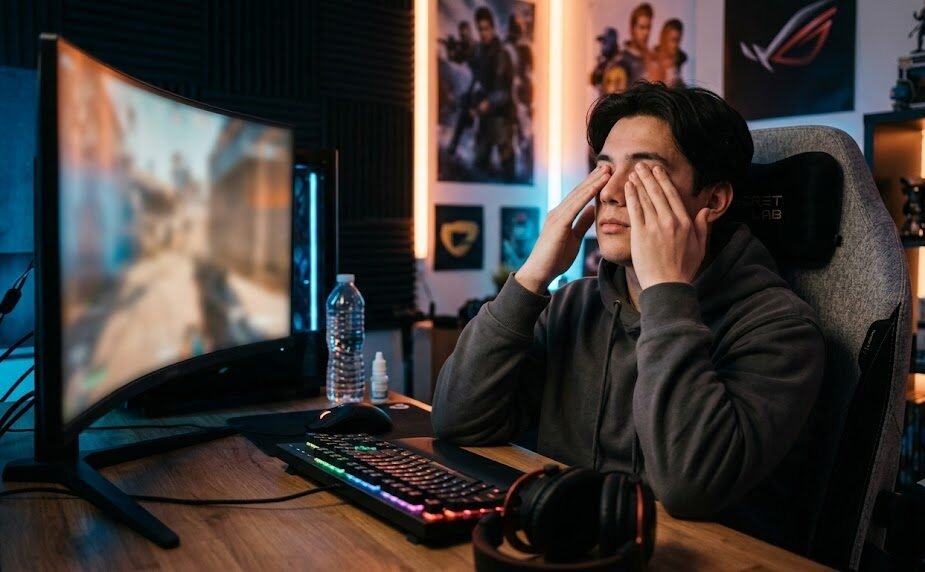
Discover the best visual recovery methods to reduce eye stress after long gaming sessions. Learn proven techniques, expert tips, case studies, and eye-care strategies for healthier gaming in 2026.
I used to believe tired eyes were simply part of being a gamer. After several hours of exploring open worlds, competing in ranked matches, or grinding through late-night raids, I would notice blurry vision, dry eyes, and an annoying headache that seemed impossible to ignore.
Like many gamers, I assumed the only solution was getting more sleep. Surprisingly, after learning about proper visual recovery methods and applying a few simple habits, I noticed a significant improvement—not only in eye comfort but also in gaming performance. That experience taught me an important lesson: taking care of your vision isn’t quitting the game; it’s upgrading your ability to enjoy it longer.
Gaming has become one of the world’s fastest-growing forms of entertainment, with millions of players spending several hours each day in front of digital screens. Whether you’re a casual mobile gamer, an esports competitor, or a content creator streaming for long periods, eye strain has become an increasingly common concern.
Fortunately, modern visual recovery techniques are helping gamers recover faster and reduce discomfort without sacrificing their passion.
Why Long Gaming Sessions Cause Eye Stress
The human eye wasn’t designed to focus intensely on bright digital screens for hours without interruption.
During gameplay, players blink less frequently because their attention remains fixed on fast-moving visuals. Reduced blinking causes tears to evaporate more quickly, leading to dryness and irritation.
At the same time, constant focus on close-range objects forces the eye muscles to work continuously. Over time, this can contribute to digital eye strain, temporary blurred vision, eye fatigue, and reduced visual comfort.
The problem becomes even more noticeable during competitive games where concentration reaches its highest level.
Understanding Digital Eye Fatigue
Eye stress doesn’t occur because games are harmful.
Instead, it’s the combination of several factors:
- Continuous close focusing
- Reduced blinking frequency
- Bright screen exposure
- High visual contrast
- Extended sitting sessions
- Poor room lighting
- Inadequate recovery breaks
Recognizing these causes is the first step toward preventing unnecessary visual fatigue.
The Most Effective Visual Recovery Methods
Recovering your eyes isn’t complicated. It involves allowing your visual system to relax and return to a more natural state after prolonged focus.
Some of the most effective techniques include:
1. Follow the 20-20-20 Rule
Every 20 minutes, look at something approximately 20 feet away for at least 20 seconds.
This simple habit relaxes the eye muscles responsible for close focusing and helps reduce temporary visual fatigue.
2. Blink More Intentionally
Studies consistently show that people blink significantly less while gaming.
Making a conscious effort to blink normally helps restore the tear film that protects the surface of the eyes.
A few extra blinks every minute may sound insignificant, but they make a noticeable difference during long sessions.
3. Use Artificial Tears When Necessary
If your eyes frequently feel dry after gaming, preservative-free lubricating eye drops can improve comfort.
These drops don’t improve gaming performance directly—they simply help maintain healthy eye moisture.
4. Practice Distance Viewing
After finishing a gaming session, spend several minutes looking outside through a window or observing distant scenery.
This allows the eye’s focusing muscles to relax after remaining locked on a nearby screen.
5. Improve Your Gaming Environment
Eye recovery actually begins before you start gaming.
Proper room lighting, reduced screen glare, comfortable seating, and correct monitor positioning all reduce strain before symptoms even appear.
Case Study: A Gamer’s Weekly Recovery Routine
A recreational gamer who typically played four to six hours each evening decided to implement several recovery strategies over four weeks.
The new routine included:
- Scheduled screen breaks
- Increased blinking awareness
- Better room lighting
- Daily outdoor viewing
- Earlier bedtime
By the end of the month, the gamer reported noticeably less eye dryness, fewer headaches after gaming, and improved comfort during extended sessions.
Although individual experiences vary, the results demonstrate how small lifestyle adjustments can produce meaningful improvements.
What Current Trends Reveal About Gamer Eye Health
Digital wellness has become a growing priority across the gaming industry.
Recent observations show:
- More gamers are investing in ergonomic gaming setups.
- Blue-light management has become a common display feature.
- Gaming monitors increasingly include eye-care display modes.
- Streamers and esports professionals openly discuss healthy gaming habits.
- Eye comfort is becoming part of overall gaming performance optimization.
The conversation has shifted from simply playing longer to playing smarter.
Visual Recovery Methods for Different Types of Gamers
| Gamer Type | Common Eye Problem | Recommended Recovery Method | Expected Benefit |
|---|---|---|---|
| Casual Gamer | Mild eye fatigue | 20-20-20 Rule | Better comfort |
| Competitive Gamer | Continuous focus | Scheduled recovery breaks | Reduced fatigue |
| Streamer | Long screen exposure | Artificial tears + posture improvement | Improved endurance |
| Mobile Gamer | Short viewing distance | Distance viewing exercises | Less eye tension |
| VR Gamer | Visual adaptation fatigue | Frequent rest intervals | Better visual recovery |
| Content Creator | Extended editing sessions | Proper lighting + blinking awareness | Healthier eyes |
Every type of gamer experiences visual stress differently. The most effective recovery strategy depends on gaming duration, environment, and screen exposure.
Expert Perspective: Recovery Is Part of Performance
Professional athletes understand that recovery is essential for peak performance.
The same principle applies to gaming.
Fast reaction time, visual accuracy, target tracking, and concentration all rely on comfortable, healthy vision. Ignoring eye fatigue doesn’t build endurance—it often reduces consistency over time.
Viewing recovery as part of performance rather than an interruption can improve both gaming enjoyment and long-term visual health.
Common Mistakes Gamers Make
Many players unknowingly increase eye strain by developing poor screen habits.
Common mistakes include:
- Gaming continuously without breaks
- Sitting too close to the monitor
- Playing in a completely dark room
- Ignoring eye dryness
- Sleeping immediately after hours of screen exposure
- Forgetting to blink naturally
Fortunately, each of these habits is relatively easy to improve.
The Future of Eye Recovery Technology
Looking toward the future, eye wellness is expected to become increasingly integrated into gaming technology.
Potential innovations include:
- AI-powered eye fatigue monitoring
- Smart displays that recommend personalized break schedules
- Adaptive brightness based on eye movement
- Real-time blink detection
- Wearable devices that measure visual fatigue
- Personalized gaming wellness dashboards
Rather than treating eye recovery as an afterthought, tomorrow’s gaming systems may actively help players maintain healthier visual habits.
Final Thoughts
Gaming should be exciting, immersive, and enjoyable—not exhausting for your eyes.
Modern visual recovery methods demonstrate that protecting your vision doesn’t require expensive equipment or complicated routines. Small habits like taking regular breaks, blinking more frequently, adjusting lighting, and allowing your eyes to relax after gameplay can significantly improve comfort over time.
Healthy eyes support better focus, quicker reactions, and more enjoyable gaming sessions. In the end, visual recovery isn’t about playing less—it’s about playing better for years to come.
Frequently Asked Questions (FAQ)
1. What causes eye stress after gaming?
Eye stress usually results from prolonged screen focus, reduced blinking, bright displays, and insufficient visual breaks.
2. Does the 20-20-20 Rule really work?
Yes. Looking at a distant object every 20 minutes helps relax the eye muscles responsible for close focusing.
3. Are blue light glasses necessary for gamers?
Some people find them more comfortable, especially in the evening, but overall eye comfort also depends on screen brightness, breaks, lighting, and sleep habits.
4. Can eye exercises improve gaming performance?
Eye relaxation exercises may reduce fatigue and improve comfort, allowing players to maintain focus for longer periods.
5. How often should gamers rest their eyes?
Brief visual breaks every 20–30 minutes and longer breaks every couple of hours are generally helpful for reducing digital eye strain during extended gaming sessions.
