


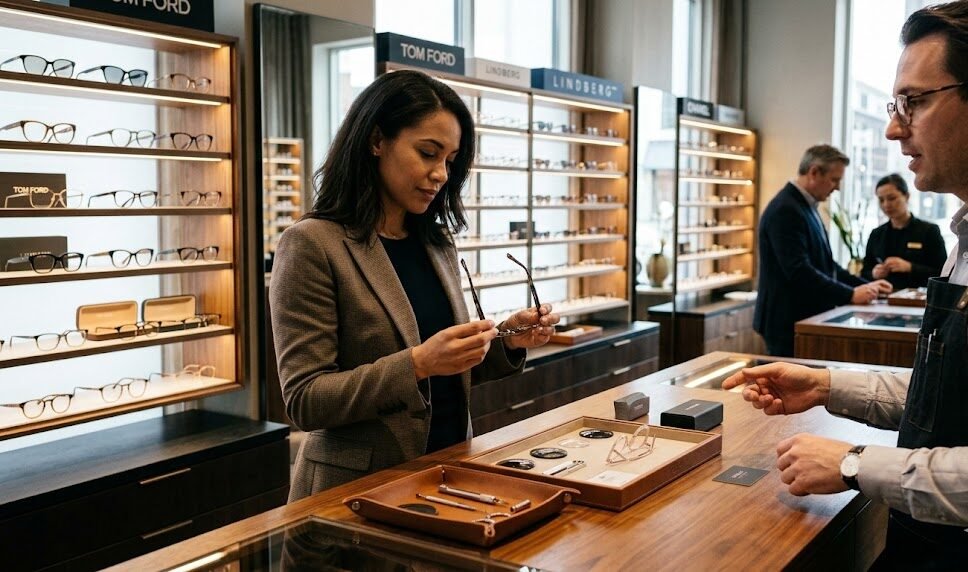
Luxury eyewear has a magical ability to make people act differently. Someone walks into an optical store looking for “simple glasses,” then suddenly they’re holding a designer frame under warm showroom lighting while whispering, “Wow… this feels premium.” Ten minutes later, they’re seriously considering spending the equivalent of a vacation budget on something designed to sit on their nose.
Welcome to the fascinating world of luxury optical brands — a place where craftsmanship, fashion, branding, celebrity culture, and a tiny bit of optical wizardry collide. From handcrafted Italian acetate frames to iconic designer logos recognized across the globe, luxury eyewear has evolved far beyond simple vision correction. For many people, glasses are now status symbols, fashion statements, and confidence boosters rolled into one stylish package.
But here’s the question quietly floating around every optical store: are luxury optical brands actually worth the price, or are people just paying for logos and fancy packaging?
The truth is more complicated than most people think. Some luxury glasses genuinely offer exceptional quality, comfort, and durability. Others lean heavily on branding power and social prestige. And somewhere in the middle lies an industry full of fascinating secrets that most buyers never hear about.
So grab your favorite pair of frames — preferably ones that aren’t currently being held together with tape — because we’re diving deep into the truth about luxury optical brands.
SEE ALSO >>> Best Smart Glasses Available Today
Luxury Eyewear Is More Than Just Vision Correction
For decades, glasses were treated mostly as medical tools. People wore them because they had to, not because they wanted to. Then fashion entered the chat and changed everything.
Luxury optical brands transformed eyewear into wearable art. Suddenly, glasses weren’t only about seeing clearly — they became part of personal identity. Just like watches, handbags, or sneakers, premium eyewear started communicating style, personality, and social image.
Today, people choose frames based on aesthetics as much as functionality. A bold square frame might signal confidence, while minimalist titanium glasses create sleek professional energy. Luxury brands understand this psychological connection extremely well.
That emotional appeal explains why people willingly spend hundreds — sometimes thousands — of dollars on glasses. They’re not just buying lenses and frames. They’re buying a feeling.
And honestly, nothing boosts confidence quite like putting on expensive glasses and instantly feeling like the main character in a European fashion film.
Why Luxury Optical Brands Cost So Much
The first thing most people notice about luxury eyewear is the price tag. It’s often shocking enough to make customers clean their lenses twice just to make sure they read it correctly.
Several factors contribute to those premium prices.
High-Quality Materials
Luxury brands often use premium materials such as Japanese titanium, handcrafted acetate, stainless steel, or carbon fiber. These materials tend to be lighter, stronger, and more durable compared to cheaper alternatives.
Premium acetate, for example, feels smoother, richer, and more comfortable on the skin. It also ages better over time. Lower-end plastic frames may become brittle or discolored faster, especially with daily use.
Craftsmanship and Handmade Production
Many luxury frames involve extensive hand-finishing processes. Some high-end brands spend weeks polishing, shaping, and assembling a single pair of glasses.
Handmade eyewear usually features better detailing, cleaner hinges, and improved structural balance. It’s the difference between mass-produced fast fashion and carefully tailored craftsmanship.
Research and Design
Luxury optical companies invest heavily in design innovation. Frame geometry, weight distribution, ergonomic comfort, and visual aesthetics all require specialized expertise.
Some brands collaborate with artists, architects, and fashion designers to create unique collections that stand apart from generic eyewear.
Branding and Prestige
Now we arrive at the giant designer-logo-shaped elephant in the room.
A significant portion of luxury eyewear pricing comes from branding power. When consumers buy premium frames, they’re also paying for exclusivity, reputation, and cultural prestige.
Yes, the logo absolutely matters. Humans are emotional creatures who enjoy beautiful objects and social recognition. Luxury brands know this very well.
The Surprising Truth About Designer Eyewear Manufacturing
Here’s where things get interesting.
Many people assume every luxury brand owns its own eyewear factories. In reality, a large percentage of designer glasses are manufactured by a relatively small number of global eyewear companies.
Some luxury fashion houses mainly license their brand names to eyewear manufacturers who produce the frames under strict guidelines. This means two completely different designer labels might actually be produced in similar facilities.
That doesn’t automatically mean the quality is bad. Many licensed luxury frames are still excellent products. However, it does challenge the common assumption that every luxury brand operates entirely independently.
The real difference often comes down to design philosophy, material choices, and quality control rather than simply the logo itself.
In other words, luxury eyewear is part craftsmanship, part branding, and part marketing magic sprinkled with expensive-looking display shelves.
Are Luxury Glasses Actually Better?
The honest answer is: sometimes yes, sometimes no.
High-end glasses often provide noticeable advantages in comfort, fit, durability, and finishing quality. Premium hinges feel smoother, materials feel lighter, and the overall balance tends to improve long-term wearability.
Luxury eyewear also typically offers stronger quality control compared to cheaper mass-market frames. Small details matter when glasses sit on your face all day.
However, not every expensive pair dramatically outperforms mid-range alternatives. Some affordable brands now produce excellent eyewear using modern manufacturing technology and stylish designs.
The biggest mistake consumers make is assuming expensive automatically means perfect. Price alone doesn’t guarantee comfort, style compatibility, or durability.
A poorly fitted luxury frame can still feel uncomfortable. Meanwhile, a well-designed mid-range frame might become someone’s favorite everyday glasses.
Your face shape, lifestyle, prescription needs, and personal style matter just as much as the brand name.
The Psychology Behind Luxury Eyewear
Luxury optical brands succeed partly because they understand human psychology incredibly well.
People don’t buy premium eyewear solely for practical reasons. They buy confidence, identity, aspiration, and emotional satisfaction. Luxury glasses often create a feeling of transformation.
Wearing premium frames can subtly affect posture, self-image, and social behavior. Many people feel more polished, intelligent, stylish, or professional when wearing high-end eyewear.
Social influence also plays a major role. Celebrities, influencers, and fashion campaigns constantly reinforce luxury eyewear as desirable and aspirational.
Interestingly, eyewear holds unique emotional power because it sits directly on the face. Unlike shoes or bags, glasses become part of how people see themselves — literally and psychologically.
That emotional connection makes eyewear purchasing surprisingly personal.
The Rise of Independent Luxury Optical Brands
While giant designer brands dominate the market, independent luxury eyewear companies are rapidly gaining popularity.
These smaller brands often focus heavily on craftsmanship, sustainability, originality, and niche aesthetics. Many consumers appreciate their authenticity and attention to detail.
Independent luxury labels frequently produce smaller batches, which creates exclusivity without relying entirely on giant fashion-house logos.
Some of these brands specialize in:
- Handmade Japanese titanium frames
- Eco-friendly acetate production
- Vintage-inspired craftsmanship
- Minimalist Scandinavian design
- Futuristic architectural aesthetics
Social media has helped these independent brands grow by allowing consumers to discover unique eyewear styles outside mainstream retail stores.
For fashion enthusiasts seeking individuality, independent luxury eyewear often feels more personal and artistic.
Luxury Eyewear Trends Shaping the Industry
The luxury optical market constantly evolves alongside fashion and technology trends.
Minimalist Elegance
Thin metal frames and understated luxury designs remain incredibly popular. Quiet sophistication often feels more timeless than flashy branding.
Sustainable Materials
Eco-conscious consumers increasingly demand sustainable eyewear made from recycled materials or biodegradable acetate.
Retro Revival
Vintage-inspired frames continue dominating luxury collections. Round glasses, aviators, and oversized 1970s aesthetics remain highly fashionable.
Tech-Integrated Eyewear
Smart glasses and blue-light lenses are slowly merging technology with luxury fashion. The future of eyewear may become increasingly digital.
Gender-Neutral Styles
Many modern luxury brands embrace unisex designs that focus on individuality rather than traditional gender categories.
Fashion trends come and go, but eyewear continues evolving because it sits at the intersection of function, identity, and culture.
How to Know If Luxury Eyewear Is Worth It for You
Before buying expensive glasses, it helps to ask a few practical questions.
How Often Will You Wear Them?
Daily-use glasses may justify higher investment because comfort and durability matter more over time.
Do You Value Craftsmanship?
If you appreciate fine materials, handmade quality, and detailed finishing, luxury eyewear may genuinely feel worthwhile.
Are You Buying for Fashion or Function?
There’s nothing wrong with wanting stylish designer frames. Just be honest about your priorities before spending heavily.
Does the Frame Actually Fit Well?
Even the most beautiful luxury glasses become annoying if they constantly slide down your nose like they’re trying to escape the conversation.
Are You Paying Mainly for the Logo?
Sometimes the answer is yes — and that’s okay if brand prestige genuinely matters to you.
The key is making informed decisions rather than assuming luxury automatically guarantees superiority.
Conclusion
The truth about luxury optical brands is neither completely glamorous nor completely cynical. Premium eyewear exists in a fascinating space where craftsmanship, fashion, psychology, and branding all intersect.
Some luxury glasses truly deliver exceptional comfort, materials, and design quality. Others rely more heavily on prestige and logo power. Most exist somewhere in between.
What matters most is understanding what you personally value in eyewear. For some people, luxury glasses provide confidence, self-expression, and long-term satisfaction worth every dollar. For others, high-quality mid-range options may offer better overall value.
At the end of the day, the best glasses are the ones that help you see clearly while making you feel comfortable and confident.
And if they also make you look mysteriously intelligent while ordering coffee, honestly, that’s just a bonus.
FAQ
Why are luxury optical brands so expensive?
Luxury eyewear often uses premium materials, advanced craftsmanship, designer branding, and high-end production methods, all of which increase pricing.
Are luxury glasses better quality than cheap glasses?
In many cases, yes. Luxury glasses often offer better materials, comfort, and durability. However, some mid-range brands also provide excellent quality at lower prices.
Do designer logos affect eyewear prices?
Absolutely. Branding and prestige significantly influence luxury eyewear pricing alongside craftsmanship and materials.
Are independent luxury eyewear brands worth considering?
Yes. Many independent brands focus heavily on originality, handmade production, and unique design aesthetics that rival major luxury labels.
What materials are commonly used in luxury eyewear?
Premium acetate, titanium, stainless steel, and carbon fiber are commonly found in high-end optical frames.
How can I tell if luxury eyewear is worth the investment?
Consider your lifestyle, comfort needs, personal style preferences, and how often you wear glasses before making a purchase.
