


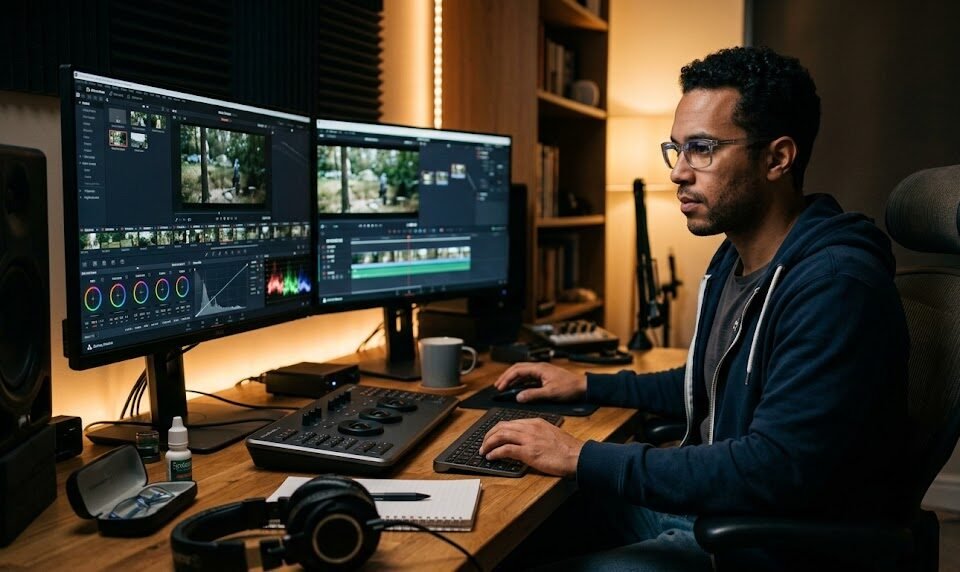
Video editors see the world differently. While most people watch a finished video for entertainment, editors examine every frame, every transition, every color correction, and every tiny visual detail that others rarely notice. They spend countless hours perfecting content, often focusing intensely on screens from morning until late at night.
The creative process can be rewarding, but it comes with a hidden cost. Long editing sessions place extraordinary demands on the eyes. Unlike casual screen users who occasionally glance away, editors often maintain continuous visual concentration for extended periods. This unique work pattern makes eye health not just important—but essential for career longevity.
As content creation continues to grow across industries, more professionals are discovering that protecting vision is just as important as mastering editing software. After all, an editor’s eyes are among their most valuable creative tools.
YOU MAY LIKE >>> Best Apps for Managing Screen Habits: Smart Tools for a Healthier Digital Life
The Reality of Modern Video Editing
Today’s editors work in a highly competitive digital environment. Whether editing YouTube content, advertising campaigns, documentaries, films, weddings, or social media clips, the pressure to produce high-quality work quickly is greater than ever.
A typical editing session may involve:
- Reviewing footage repeatedly
- Color grading scenes
- Adjusting visual effects
- Synchronizing audio
- Analyzing timelines for hours
Many editors spend between six and twelve hours daily in front of multiple monitors. During deadline periods, that number can rise even higher.
The result is often a combination of eye fatigue, mental exhaustion, and physical discomfort that gradually accumulates over time.
A Personal Experience Shared by Many Editors
Ask experienced editors about eye strain, and you’ll hear familiar stories.
Many report finishing a project only to realize their vision feels slightly blurred. Others experience headaches after long color-grading sessions. Some notice dry eyes, difficulty focusing on distant objects, or increased sensitivity to bright lights.
One freelance editor described spending nearly fourteen consecutive hours finalizing a commercial project. By the end of the session, even reading messages on a smartphone felt uncomfortable.
The project was successful, but the physical toll highlighted an important lesson: productivity means little if health is sacrificed in the process.
Understanding Digital Eye Strain
Digital Eye Strain, often referred to as Computer Vision Syndrome, occurs when prolonged screen use overwhelms the visual system.
Editors are especially vulnerable because their work demands:
- Continuous focus
- High visual precision
- Attention to color accuracy
- Frequent timeline navigation
- Long uninterrupted sessions
Common symptoms include:
| Symptom | Impact on Editing |
|---|---|
| Dry Eyes | Reduced comfort |
| Blurred Vision | Lower accuracy |
| Headaches | Reduced productivity |
| Eye Fatigue | Slower decision-making |
| Neck Pain | Physical discomfort |
| Light Sensitivity | Editing challenges |
These symptoms may appear gradually, making them easy to ignore until they begin affecting work quality.
Why Video Editors Face Unique Eye Challenges
Unlike standard office workers, video editors constantly evaluate visual details.
Editors frequently zoom into footage, compare color variations, inspect transitions, and review motion frame by frame.
This level of concentration creates a phenomenon known as visual lock-in, where blinking frequency decreases significantly.
Normally, humans blink around 15 to 20 times per minute. During intense editing sessions, blinking can drop dramatically, leading to dry and irritated eyes.
The more demanding the project, the more likely this effect becomes.
The 20-20-20 Rule: An Editor’s Secret Weapon
One of the simplest yet most effective eye care techniques remains the 20-20-20 rule.
Every 20 minutes:
- Look at something 20 feet away
- For at least 20 seconds
While it may seem insignificant, these brief visual breaks help relax eye muscles responsible for focusing.
Many professional editors set reminders or use productivity apps to ensure they follow this habit consistently.
The cumulative benefits over months and years can be substantial.
Optimizing Monitor Placement
A surprising number of eye-related issues originate from poor workstation setups.
For optimal comfort:
- Position monitors approximately an arm’s length away.
- Keep screens slightly below eye level.
- Minimize glare from windows.
- Adjust brightness according to ambient lighting.
- Use high-resolution displays whenever possible.
Editors often invest heavily in cameras and software while overlooking workstation ergonomics. Yet a properly positioned monitor may have a greater impact on daily comfort than many realize.
Color Grading and Eye Fatigue
Color grading presents unique challenges.
Editors performing color correction spend hours evaluating contrast, shadows, highlights, and subtle color shifts.
Extended exposure to high-brightness displays can accelerate fatigue.
Many professionals now adopt:
- Controlled lighting environments
- Bias lighting behind monitors
- Calibrated displays
- Reduced screen brightness during extended sessions
These adjustments help maintain visual consistency while reducing unnecessary strain.
Case Study: A Production Studio Improves Editor Wellness
A mid-sized video production company noticed increasing complaints of eye fatigue among its editing team.
Management implemented several changes:
- Scheduled micro-breaks
- Ergonomic workstation upgrades
- Better ambient lighting
- Eye wellness training
After six months, internal surveys revealed notable improvements.
| Metric | Improvement |
| Eye Fatigue Reports | -35% |
| Headache Complaints | -28% |
| Employee Satisfaction | +21% |
| Productivity Scores | +17% |
| Project Accuracy | +12% |
The findings demonstrated that healthier work habits can positively impact both well-being and business performance.
Hydration Matters More Than Most Editors Realize
When discussing eye care, hydration rarely receives enough attention.
The tear film covering the eye depends on adequate hydration to function properly.
Editors immersed in projects often forget simple habits such as drinking water regularly.
Dehydration can worsen:
- Dry eyes
- Fatigue
- Concentration issues
- Headaches
Maintaining hydration supports both visual comfort and overall performance.
The Role of Blue Light and Sleep
Many editing sessions continue late into the evening.
Although research continues regarding blue light’s direct effects on eye health, experts generally agree that excessive nighttime exposure can interfere with sleep quality.
Poor sleep creates a cycle that affects editors significantly:
- Reduced concentration
- Slower creative decisions
- Increased fatigue
- Greater eye discomfort
Using nighttime display settings, reducing brightness, and ending editing sessions earlier when possible can support healthier sleep patterns.
Emerging Opportunities in Eye Health Technology
As creative professionals spend more time in digital environments, eye care solutions continue evolving.
| Opportunity Area | Growth Potential |
| Smart Eye Monitoring Software | Very High |
| AI Wellness Assistants | High |
| Blue Light Management Tools | High |
| Ergonomic Workstation Products | High |
| Eye Health Apps | Very High |
| Professional Vision Training | Medium to High |
The future may include intelligent systems that automatically remind editors to blink, take breaks, and adjust viewing conditions.
Expert Perspective: Your Eyes Are Part of Your Equipment
Professional editors carefully maintain cameras, storage systems, computers, and software subscriptions.
Yet the most important editing tool often receives the least maintenance.
Your eyes.
A damaged lens can be replaced. A failed hard drive can be restored from backup. Eye health, however, is far more difficult to recover once serious problems develop.
Successful editors increasingly recognize that visual wellness is not a luxury. It is a professional necessity.
Building a Sustainable Editing Career
Long-term success in video editing requires more than technical expertise.
It requires sustainable habits.
Editors who prioritize eye health often experience:
- Better focus
- Improved creative judgment
- Higher productivity
- Greater career longevity
- Reduced physical discomfort
The goal isn’t simply to survive long editing sessions. The goal is to maintain peak performance throughout an entire career.
By implementing small but consistent eye care practices today, editors can protect their vision for the projects, opportunities, and creative achievements that lie ahead.
FAQ
Why do video editors experience eye strain more often?
Video editors spend extended periods focusing on detailed visual content, reducing blinking frequency and increasing visual workload.
What is the best eye care habit for video editors?
The 20-20-20 rule remains one of the most effective methods for reducing digital eye strain.
Can monitor placement affect eye health?
Yes. Proper monitor distance, height, and lighting can significantly reduce eye fatigue and discomfort.
Should video editors use blue light glasses?
Some editors find them helpful for comfort, particularly during nighttime work, although results vary between individuals.
How often should editors take breaks?
Experts generally recommend short breaks every 20 to 30 minutes and longer breaks every two hours.
Can eye strain affect editing quality?
Absolutely. Fatigue can reduce concentration, visual accuracy, decision-making speed, and overall productivity.
