

Discover how smart glasses worn by celebrities are transforming wearable technology into mainstream fashion in 2026. Explore trends, AI features, market insights, case studies, and future innovations.
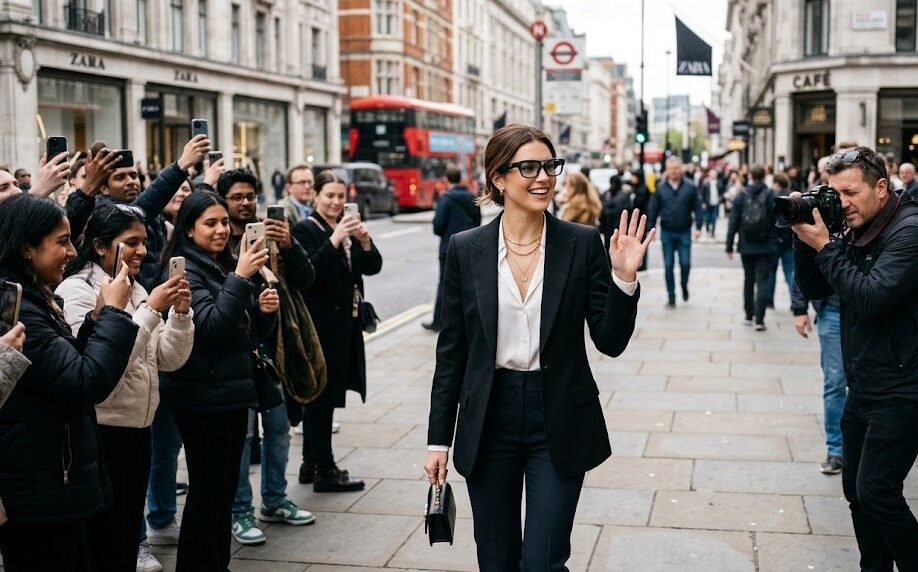
OPTIKREGAR.ID – The first time I saw a celebrity casually wearing smart glasses outside of a product launch, I realized something had changed. They weren’t posing for a futuristic advertisement or demonstrating a new gadget—they were simply walking through an airport, attending a fashion event, or grabbing coffee.
Suddenly, smart glasses no longer looked like experimental technology. They looked like the next must-have fashion accessory. That shift fascinated me because history shows that once celebrities normalize a new trend, mainstream consumers usually follow much faster than expected.
In 2026, smart glasses are no longer viewed as awkward wearable devices reserved for technology enthusiasts. They have become a blend of fashion, productivity, entertainment, and artificial intelligence.
Thanks to endorsements—both official and organic—from actors, musicians, athletes, entrepreneurs, and social media influencers, wearable technology is entering one of its fastest growth periods ever.
READ ALSO >>> Celebrity Sunglasses Trends That Went Viral
Why Celebrity Influence Matters More Than Ever
Fashion trends have always spread through cultural icons. From designer handbags to luxury sneakers, celebrities often become the bridge between innovation and mass adoption.
Smart glasses follow the same pattern.
When public figures wear wearable technology naturally instead of promoting it through advertisements, consumers perceive the products as practical rather than experimental. This psychological shift significantly reduces hesitation among buyers who previously considered smart glasses “too futuristic.”
Marketing researchers often refer to this as social validation—the moment when seeing trusted personalities using a product makes it feel familiar and desirable.
From Science Fiction to Street Fashion
Only a decade ago, smart glasses were associated with bulky hardware and limited functionality. Many early devices prioritized technology over appearance, making them difficult to wear in everyday settings.
Today’s generation looks dramatically different.
Modern smart glasses feature lightweight titanium frames, premium acetate designs, polarized lenses, AI-powered voice assistants, live translation, navigation overlays, hands-free photography, and high-quality audio systems—all while resembling traditional designer eyewear.
The biggest transformation wasn’t technological.
It was aesthetic.
Consumers are much more willing to adopt wearable devices when they don’t immediately look like wearable devices.
The Rise of AI-Powered Fashion Accessories
Artificial intelligence has completely changed how smart glasses function.
Instead of simply displaying notifications, today’s wearable glasses can:
- Translate conversations in real time.
- Summarize meetings automatically.
- Capture photos hands-free.
- Recognize landmarks while traveling.
- Provide navigation overlays.
- Read incoming messages privately.
- Assist with voice-controlled productivity.
Rather than replacing smartphones, smart glasses increasingly act as intelligent companions that reduce the need to constantly check a screen.
Celebrity Adoption Accelerates Consumer Interest
A fashion retail analytics company tracked online search behavior after multiple internationally recognized celebrities appeared wearing AI-enabled smart glasses during major public events in early 2026.
The findings were impressive:
- Searches for “smart glasses fashion” increased by more than 120%.
- Luxury eyewear retailers reported significant growth in inquiries about AI-enabled models.
- Social media videos featuring celebrity outfits with smart glasses generated millions of combined views.
- Technology review channels experienced increased engagement on wearable device comparisons.
Interestingly, many consumers weren’t initially interested in the technology itself. They first admired the style before discovering the practical features hidden inside the frames.
This demonstrates how fashion often becomes the gateway to technological adoption.
Data Behind the Growing Wearable Technology Market
Industry analysts continue projecting strong growth for wearable technology throughout the remainder of the decade.
Several market trends are contributing to this momentum:
- AI assistants are becoming more accurate and context-aware.
- Battery technology continues improving.
- Lightweight materials make extended wear more comfortable.
- Consumers increasingly prefer hands-free digital experiences.
- Luxury fashion brands are collaborating with technology companies.
The convergence of fashion and artificial intelligence has created one of the fastest-growing categories in consumer electronics.
Who Benefits Most from Smart Glasses?
| User Group | Primary Benefit | Daily Use | Growth Opportunity |
|---|---|---|---|
| Students | AI learning assistance | High | Excellent |
| Professionals | Productivity & meetings | Very High | Excellent |
| Travelers | Translation & navigation | High | Strong |
| Content Creators | Hands-free recording | Very High | Excellent |
| Fitness Enthusiasts | Audio coaching & navigation | Medium | Growing |
| Fashion Lovers | Premium wearable accessory | High | Excellent |
The table illustrates that smart glasses are no longer targeted at one niche audience. Instead, they appeal to diverse lifestyles where convenience and style intersect.
Expert Perspective: Fashion Is Becoming Invisible Technology
One fascinating trend in wearable design is what many designers describe as “invisible technology.”
Consumers increasingly prefer products that integrate advanced functionality without looking overly technical.
This philosophy explains why thin frames, rimless designs, neutral colors, and luxury-inspired aesthetics dominate current smart glasses collections.
Technology is becoming less visible while becoming more useful.
Ironically, the smartest devices are often the ones that attract the least attention.
Challenges That Still Need Improvement
Despite rapid progress, smart glasses are not without limitations.
Battery life remains one of the biggest concerns for heavy users, especially when AI features operate continuously throughout the day.
Privacy is another topic receiving increased attention. Built-in cameras and microphones require manufacturers to implement stronger transparency measures so people nearby understand when recording is active.
Pricing also remains relatively high compared to traditional eyewear, although costs continue declining as production scales increase.
These challenges are unlikely to slow adoption dramatically, but they will shape future product development.
What the Future Looks Like
By the end of the decade, smart glasses may become as common as wireless earbuds are today.
Future innovations are expected to include:
- AI-generated visual summaries.
- Personalized health monitoring.
- Improved augmented reality overlays.
- Adaptive prescription lenses.
- Gesture-based controls.
- Longer battery life.
- Cloud-connected personal assistants.
As these capabilities evolve, smart glasses will likely transition from optional accessories into everyday digital companions.
The biggest surprise may not be that technology becomes smarter—but that fashion becomes smarter with it.
Final Thoughts
Celebrity influence may have introduced smart glasses to mainstream audiences, but long-term success depends on usefulness rather than popularity alone.
Fortunately, today’s devices deliver both style and substance.
As artificial intelligence becomes seamlessly integrated into everyday accessories, smart glasses represent one of the clearest examples of technology disappearing into fashion instead of competing with it.
For consumers seeking productivity, convenience, and modern style, wearable eyewear is no longer a glimpse into the future—it is becoming part of everyday life.
