Nearsightedness (Myopia): Causes, Symptoms, and Treatment Options
Contents
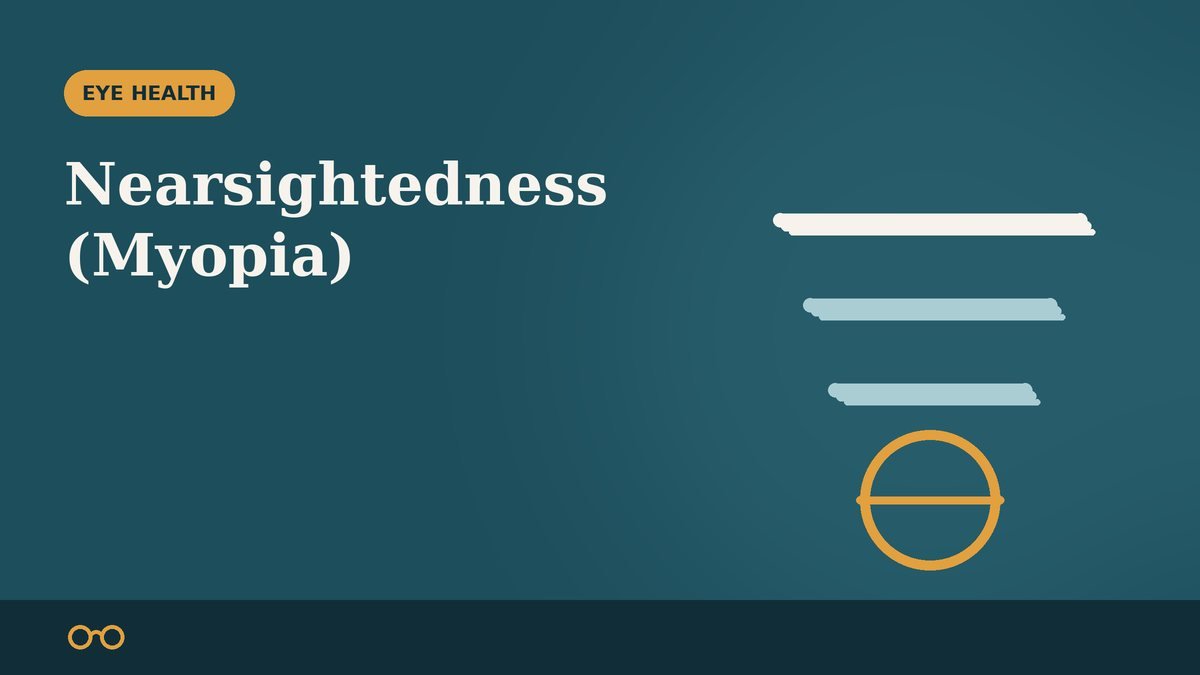
Nearsightedness, or myopia, is the most common vision problem in the world. People with myopia see clearly up close, but distant objects look blurry. Rates keep rising worldwide, and it often starts in childhood.
Why does myopia happen?
In a normal eye, light focuses right on the retina. In a nearsighted eye, it focuses in front of the retina. The most common reason is an eyeball that has grown too long. A cornea that’s too steeply curved can also contribute.
Contributing factors include:
- Genetics — the risk is higher if one or both parents are nearsighted.
- Too little time outdoors — studies show children who spend more time outside are less likely to develop myopia. Natural daylight appears to help slow eye growth.
- Lots of close-up work — long periods of reading, studying, and screen use at short distances are linked to higher risk.
Symptoms to watch for
- Whiteboards, TV screens, or road signs look blurry.
- Frequent squinting to see far away.
- Sitting very close to the TV or holding a phone close to the face.
- Headaches or tired eyes after distance tasks.
- Worse vision at night, such as when driving.
Want a quick overview of your symptoms? Try our Eye Comfort Check for a starting point and lens suggestions.
How myopia is corrected
1. Glasses
The simplest and safest option. Minus (concave) lenses spread light out so the focal point moves back onto the retina. For prescriptions stronger than −4.00, consider high-index lenses for a thinner result.
2. Contact lenses
They give a wider field of view and don’t fog up, but require good hygiene habits. See our contacts vs. glasses comparison.
3. Refractive surgery
Procedures like LASIK, SMILE, or PRK reshape the cornea. They’re generally considered for adults whose prescription has stabilized, after an eligibility exam by an ophthalmologist.
4. Myopia control for kids
For children, the goal isn’t only clear vision but also slowing how fast myopia progresses. Options include special spectacle lenses, specialty contact lenses, and certain prescription eye drops. Learn more in our guide to myopia in children.
Myths worth clearing up
- “Wearing glasses makes myopia worse.” False. Myopia increases in kids and teens because their eyes are still growing, not because of glasses.
- “Skip glasses to train your eyes.” This only causes strain and, in children, can interfere with learning.
- “Carrots cure nearsightedness.” Vitamin A supports eye health, but it doesn’t change the length of the eye.
When to be extra careful
High myopia (around −6.00 or stronger) raises the risk of retinal problems such as retinal detachment. See an eye doctor right away if you notice flashes of light, a sudden shower of new floaters, or a curtain-like shadow in your vision.
This article is for education only. Your prescription can only be confirmed by a refraction exam with an eye care professional.