


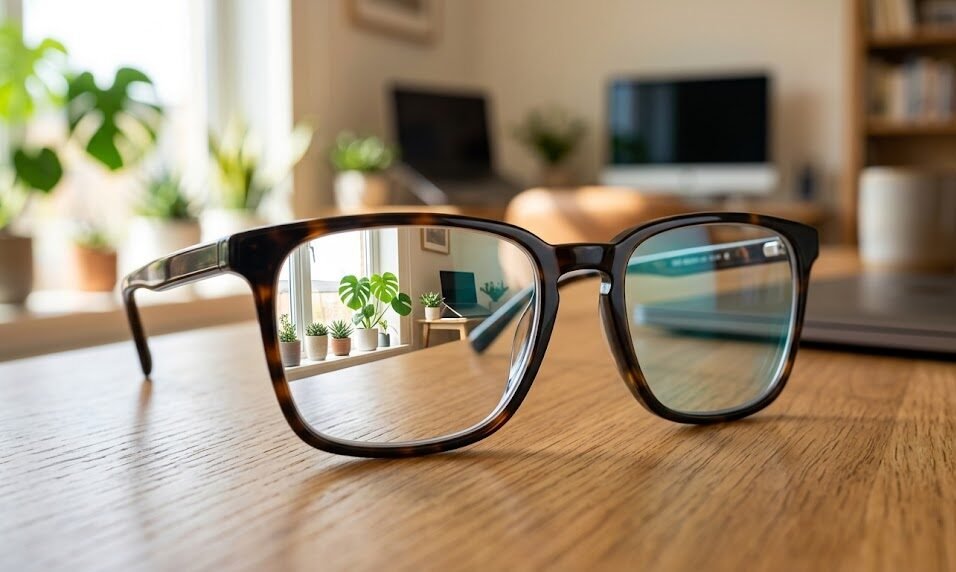
Discover the best lens coatings for daily use, including anti-reflective, scratch-resistant, UV, blue light, and hydrophobic coatings for clearer, more comfortable vision.
Most people spend hours choosing the perfect glasses frame. They analyze shapes, colors, materials, and somehow convince themselves they can pull off oversized transparent acetate because a fashion influencer on the internet made it look effortless. Then comes the lens conversation — and suddenly everything becomes confusing.
The optician starts mentioning anti-reflective coating, scratch resistance, UV protection, hydrophobic layers, blue light filters, and possibly something that sounds suspiciously like spaceship technology. At that point, many people simply nod politely and choose the cheapest option because their brain quietly left the building five minutes earlier.
But here’s the truth most people discover too late: lens coatings often matter more than the frame itself in daily life.
A good coating can make glasses easier to clean, more comfortable during screen time, safer under sunlight, and significantly more durable over the years. Meanwhile, skipping the right coating can turn daily eyewear into a constant battle against glare, fingerprints, scratches, and mysterious smudges that appear seconds after cleaning.
So if you wear glasses every day — whether for work, driving, studying, or simply surviving modern life — understanding lens coatings is genuinely worth your attention.
Because nothing tests human patience faster than cleaning lenses for the fourth time in ten minutes.
What Are Lens Coatings?
Lens coatings are thin protective layers added to eyeglass lenses to improve performance, comfort, durability, or visual clarity.
Think of them like upgrades for your glasses. The lenses still function without them, but coatings improve the overall experience dramatically.
Different coatings serve different purposes:
- Reducing glare
- Preventing scratches
- Blocking UV rays
- Repelling water and oil
- Filtering blue light
- Improving durability
Some coatings are almost essential for modern daily use, while others are more lifestyle-specific.
The challenge is knowing which ones are actually useful and which ones are mainly there to make optical store receipts emotionally devastating.
Anti-Reflective Coating: The Everyday Champion
If there’s one coating almost everyone should seriously consider, it’s anti-reflective coating — often called AR coating.
This coating reduces reflections and glare from:
- Computer screens
- Office lighting
- Car headlights
- Sunlight
- Phone screens
Without AR coating, lenses can reflect light like tiny mirrors attached directly to your face. This creates distracting glare, especially during nighttime driving or long screen sessions.
Why Anti-Reflective Coating Matters
AR coating improves:
- Visual clarity
- Night driving comfort
- Screen visibility
- Eye comfort
- Appearance during video calls and photos
People can actually see your eyes clearly instead of fluorescent office lights bouncing across your lenses like a chaotic disco party.
For office workers, students, drivers, and basically anyone using screens daily, AR coating is arguably the most valuable lens upgrade available.
Scratch-Resistant Coating: Saving Your Sanity Daily
Modern lenses are lighter and more comfortable than old glass lenses, but they’re also more vulnerable to scratches.
Scratch-resistant coating helps protect lenses from everyday accidents like:
- Tossing glasses into bags
- Dust exposure
- Cleaning mistakes
- Minor impacts
- General life chaos
No coating makes lenses completely scratch-proof, unfortunately. Human beings remain incredibly creative when it comes to damaging expensive things accidentally.
Still, scratch-resistant coatings significantly improve lens durability over time.
Especially helpful for people who:
- Wear glasses constantly
- Have children
- Own energetic pets
- Frequently panic-clean lenses using random shirt fabric
Which, statistically speaking, includes most of humanity.
UV Protection Coating: Quietly Important
Ultraviolet protection often gets less attention because it’s invisible. You don’t “feel” UV coating working the way you notice reduced glare or cleaner lenses.
But long-term UV exposure may contribute to eye health problems over time.
Good UV coatings help protect eyes from harmful ultraviolet rays during outdoor exposure.
Many modern lenses already include UV protection automatically, but it’s always worth confirming before purchasing.
Because your eyes deserve sunscreen too — just in a less dramatic and considerably less sticky format.
Blue Light Coating: The Digital Era Favorite
Blue light coatings became extremely popular once modern life transformed into one giant screen-based experience.
These coatings filter portions of blue-violet light emitted from:
- Computers
- Smartphones
- Tablets
- LED lighting
The main goal is improving comfort during long screen sessions and potentially reducing sleep disruption from nighttime device use.
Do Blue Light Coatings Really Help?
The answer depends on expectations.
Some users genuinely experience:
- Reduced screen discomfort
- Less visual fatigue
- Improved nighttime comfort
However, scientific evidence remains mixed regarding dramatic claims surrounding blue light.
Blue light coating works best as a supportive tool rather than a magical solution.
If someone spends 14 consecutive hours staring at spreadsheets while surviving entirely on caffeine and stress, the coating is fighting a very difficult war.
Hydrophobic Coating: Surprisingly Useful
Hydrophobic coating repels water and moisture from lens surfaces.
This helps prevent:
- Water spots
- Rain buildup
- Fogging issues
- Smearing during cleaning
If you’ve ever worn glasses during rain and temporarily lost the ability to function like a normal human being, hydrophobic coating suddenly sounds very appealing.
It also makes lenses easier to clean overall because dirt and moisture don’t cling as aggressively.
Oleophobic Coating: The Fingerprint Defender
Oleophobic coatings repel oils and fingerprints.
Which sounds small — until you realize fingerprints are somehow magnetically attracted to eyeglass lenses at all times.
Seriously, nobody fully understands how lenses become dirty seconds after cleaning them.
Oleophobic coatings help reduce:
- Smudges
- Skin oil buildup
- Cleaning frequency
- Streaking
For daily wearers, this coating becomes surprisingly valuable over time.
Especially if you constantly touch your glasses while thinking dramatically about life decisions.
Which Lens Coatings Are Best for Office Workers?
For office workers, the best combination usually includes:
- Anti-reflective coating
- Blue light filtering
- Scratch resistance
- Oleophobic coating
Office environments contain endless visual stress:
- Bright lighting
- Multiple screens
- Long focus sessions
- Air-conditioned dryness
- Video meetings
These coatings improve both comfort and practicality throughout the workday.
Because modern office life already contains enough problems without adding constant lens glare into the experience.
Which Coatings Matter Most for Drivers?
Drivers should prioritize:
- Anti-reflective coating
- Scratch resistance
- Hydrophobic protection
- UV coating
AR coating is especially important during nighttime driving because it reduces glare from headlights and streetlights significantly.
Hydrophobic coating also helps tremendously during rainy conditions.
Nothing creates instant survival instincts quite like driving at night through heavy rain while your glasses transform into abstract watercolor paintings.
Best Coatings for Students
Students often spend long hours:
- Reading
- Using laptops
- Studying under artificial lighting
- Switching between indoor and outdoor environments
The best coating combination usually includes:
- Anti-reflective coating
- Blue light filtering
- Scratch resistance
Students are also statistically very good at accidentally dropping expensive items, so durability matters.
Are Premium Coatings Worth the Price?
Sometimes yes, sometimes absolutely not.
The key difference lies between:
- Essential coatings
- Lifestyle upgrades
- Overpriced marketing packages
Usually Worth It
- Anti-reflective coating
- Scratch resistance
- UV protection
Potentially Worth It
- Blue light filtering
- Hydrophobic coating
- Oleophobic coating
Sometimes Over-Marketed
Ultra-premium packages promising impossible perfection.
No coating can fully protect glasses from all human behavior. Especially not the mysterious universal habit of placing glasses lens-down on tables despite knowing better.
Can You Combine Multiple Coatings?
Yes — and most modern premium lenses already combine several coatings together.
A common high-quality lens package may include:
- AR coating
- Scratch resistance
- UV protection
- Hydrophobic layer
- Oleophobic layer
- Blue light filtering
These combinations create more durable and comfortable daily eyewear.
The important thing is choosing combinations that actually match your lifestyle.
Not everyone needs every possible upgrade available.
How Long Do Lens Coatings Last?
Quality coatings can last several years with proper care.
However, longevity depends heavily on:
- Cleaning habits
- Storage practices
- Exposure conditions
- Lens quality
Cleaning lenses aggressively with paper towels, tissues, or random clothing eventually damages coatings over time.
Your glasses deserve gentler treatment than wiping them with the nearest pizza-stained hoodie.
How to Care for Coated Lenses
Good maintenance keeps coatings effective longer.
Use Microfiber Cloths
They reduce scratching compared to rough fabrics.
Rinse Before Cleaning
Dust particles can scratch lenses if rubbed dry.
Avoid Harsh Chemicals
Some cleaning products damage protective coatings.
Store Glasses Properly
Use protective cases whenever possible.
A shocking amount of lens damage comes from pockets, bags, and “I’ll just place them here for one second” decisions.
The Future of Lens Coatings
Eyewear technology continues evolving rapidly.
Newer coatings now aim to:
- Resist bacteria
- Reduce fogging
- Improve color contrast
- Increase durability further
Smart coatings for digital lifestyles are becoming more advanced each year.
At this point, future glasses may eventually include emotional support and calendar reminders too.
Honestly, society seems only a few years away from it.
Final Thoughts
The best lens coatings for daily use are the ones that improve your real-world comfort, clarity, and durability without overcomplicating the experience.
For most people, anti-reflective coating remains the single most valuable upgrade because it improves visual comfort constantly throughout daily life. Scratch resistance and UV protection are also highly worthwhile for long-term practicality.
Blue light filtering, hydrophobic protection, and oleophobic coatings can provide additional benefits depending on your lifestyle and screen habits.
The smartest approach is balance.
Choose coatings that genuinely support how you live, work, and move through the world — not simply the longest list offered at the optical counter.
Because great glasses aren’t only about seeing clearly. They’re about making daily life feel just a little smoother, cleaner, and less visually exhausting.
And honestly, modern life could use all the help it can get.
FAQ
What is the most important lens coating for daily use?
Anti-reflective coating is often considered the most useful because it reduces glare and improves visual comfort in many environments.
Are scratch-resistant coatings worth it?
Yes. They help protect lenses from everyday wear and extend lens durability significantly.
Do all glasses come with UV protection?
Not always. Many modern lenses include UV protection, but it’s important to confirm before purchasing.
Is blue light coating necessary?
Not necessarily, but it may help people who spend long hours using digital screens.
What does hydrophobic coating do?
Hydrophobic coating repels water and moisture, helping lenses stay cleaner and clearer in wet conditions.
Can multiple coatings be combined on one lens?
Yes. Most premium lenses combine several coatings together for better performance and durability.
