


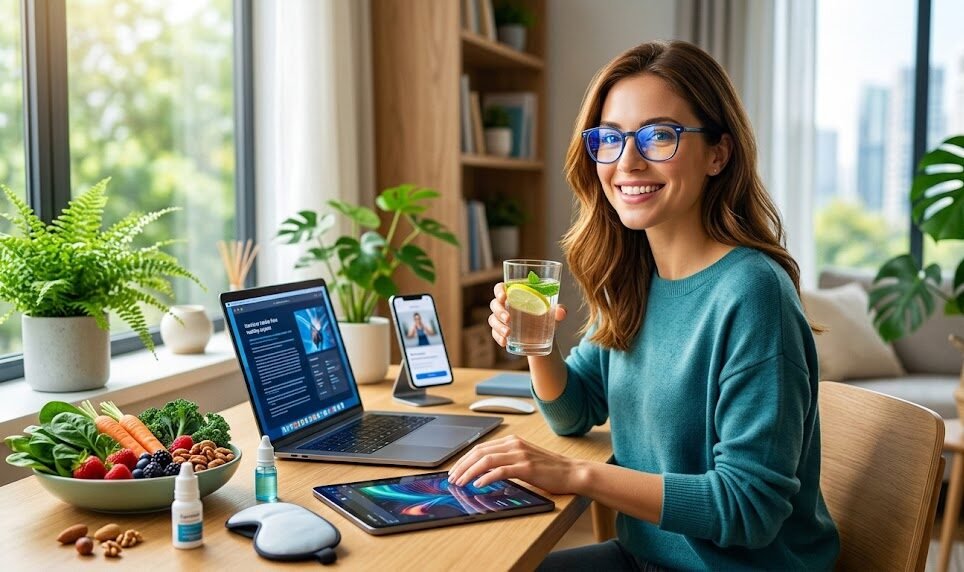
Discover the best habits for healthy eyes in 2026, including screen time tips, hydration, sleep, nutrition, and practical ways to reduce digital eye strain naturally.
Human beings have officially entered the era of permanent screen glow. We wake up to phone alarms, spend our workdays staring at laptops, relax with streaming platforms, scroll social media before bed, and somehow still wonder why our eyes feel like exhausted raisins by midnight. In 2026, healthy vision is no longer just about reading small text clearly — it’s about surviving modern digital life without turning every evening into a blurry staring contest with your ceiling fan.
The truth is simple: our eyes are working harder than ever before.
Between remote work, endless notifications, artificial lighting, gaming, online learning, and late-night doomscrolling sessions that mysteriously begin with “just five minutes,” eye strain has become one of the most common health complaints of modern life. Yet many people still ignore their vision until headaches appear, dryness becomes constant, or screens suddenly start looking like abstract art projects.
The good news? Healthy eyes in 2026 are less about expensive futuristic technology and more about small daily habits repeated consistently. Tiny changes in how you work, sleep, eat, and use screens can dramatically improve comfort, reduce fatigue, and support long-term eye health.
And honestly, your eyes deserve some appreciation. They’ve spent years processing spreadsheets, memes, streaming platforms, awkward video calls, and restaurant menus in dim lighting without asking for much in return.
SEE ALSO: How to Protect Your Eyes While Working From Home
Blink More Often Than Your Smartphone Refreshes
One of the biggest reasons modern eyes feel tired is surprisingly simple: people don’t blink enough anymore.
When focusing on screens, blinking rates drop dramatically. Normally, humans blink around 15–20 times per minute. During intense screen use, that number often falls by half.
Less blinking means:
- More dryness
- Faster tear evaporation
- Burning sensations
- Tired eyes
Your eyes are basically forgetting hydration because your brain is too busy switching between tabs like a caffeinated octopus.
Consciously blinking more often sounds almost comically basic, but it genuinely helps reduce digital fatigue.
Follow the 20-20-20 Rule
If modern eye care had an unofficial survival slogan, this would probably be it.
Every 20 minutes:
- Look at something 20 feet away
- For at least 20 seconds
This simple habit relaxes focusing muscles strained by continuous near-distance work.
Screens trap your eyes into repetitive focus patterns for hours. Tiny visual breaks allow the eye muscles to reset naturally.
Think of it as stretching for your vision — except nobody has to wear gym clothes.
Stop Treating Sleep Like an Optional Side Quest
In 2026, people proudly discuss productivity hacks while quietly sacrificing sleep like it’s a decorative luxury item.
Your eyes strongly disagree with this strategy.
Poor sleep affects:
- Tear production
- Focus stability
- Eye muscle recovery
- Light sensitivity
- Overall visual comfort
This is why tired people often experience blurry vision, dryness, or headaches more easily after screen exposure.
And yes, scrolling social media in bed under maximum brightness while whispering “one more video” absolutely counts as sabotaging your own eyeballs.
Use Better Lighting at Home and Work
Modern lighting conditions are often terrible for visual comfort.
Too dark? Your eyes strain against bright screens.
Too bright? Glare becomes exhausting.
The goal is balanced, soft lighting that reduces contrast between your surroundings and devices.
Best Lighting Habits
- Use warm ambient light at night
- Avoid direct glare on screens
- Position monitors away from windows
- Reduce harsh overhead lighting
Your workspace should feel calm and readable, not like a science-fiction interrogation chamber built entirely from fluorescent bulbs.
Wear Sunglasses Outside — Even When You’re “Just Going Somewhere Quickly”
UV exposure affects eye health over time, yet many people only wear sunglasses during vacations or dramatic beach photos.
Good sunglasses help protect against:
- UV rays
- Bright sunlight
- Excessive glare
- Long-term exposure stress
And no, squinting heroically into sunlight does not count as eye protection.
In 2026, quality sunglasses are less about fashion and more about long-term visual maintenance. Though looking stylish while protecting your retina is admittedly an excellent bonus.
Hydration Matters More Than You Think
Dry eyes are becoming increasingly common in modern lifestyles.
Air conditioning, indoor heating, low blinking rates, and prolonged screen exposure all contribute to moisture loss.
Drinking enough water helps support:
- Tear stability
- Eye lubrication
- General visual comfort
Your eyes are part of your body, unfortunately. This means they participate fully in all your questionable hydration decisions.
Coffee alone is not a personality or a water replacement strategy.
Eat Foods That Actually Support Eye Health
Your diet influences your eyes more than most people realize.
Certain nutrients support retinal function, tear quality, and long-term vision health.
Helpful Eye-Friendly Nutrients
- Vitamin A
- Omega-3 fatty acids
- Lutein
- Zinc
- Vitamin C
- Vitamin E
Foods commonly linked to eye health include:
- Leafy greens
- Fish
- Eggs
- Carrots
- Citrus fruits
- Nuts
Carrots alone won’t suddenly give you superhero night vision, despite what childhood myths aggressively suggested.
But balanced nutrition genuinely supports healthier eyes over time.
Reduce Screen Time Before Bed
Late-night screen exposure creates two major problems:
- Eye fatigue
- Sleep disruption
Bright screens stimulate the brain and may interfere with melatonin production, especially in dark environments.
This explains why checking “just one thing quickly” at midnight somehow turns into an accidental 90-minute documentary about abandoned underwater cities.
Better Evening Habits
- Lower screen brightness
- Use night mode
- Reduce device use before sleep
- Switch to softer lighting
Your eyes recover best when evenings feel calmer and less visually aggressive.
Clean Your Glasses Properly
A shocking number of people clean lenses using:
- T-shirts
- Paper towels
- Random tissues
- Whatever fabric currently exists nearby
This slowly damages coatings and creates micro-scratches.
Better Cleaning Habits
- Use microfiber cloths
- Rinse lenses before wiping
- Avoid harsh chemicals
- Store glasses in protective cases
Your glasses deserve slightly better treatment than being cleaned with yesterday’s hoodie sleeve beside leftover coffee stains.
Use Artificial Tears if Needed
Many people experience chronic dryness without realizing it.
Artificial tears can help relieve discomfort caused by:
- Air conditioning
- Screen use
- Long work hours
- Environmental dryness
Especially useful for office workers, gamers, remote employees, and students spending entire days indoors.
Modern life has many strengths. Maintaining natural blinking schedules is apparently not one of them.
Protect Your Eyes During Workouts and Outdoor Activities
Sports and outdoor activities can expose eyes to:
- Dust
- Wind
- UV rays
- Debris
- Chlorine
Protective eyewear matters more than many people assume.
Especially because eyes are surprisingly fragile for organs humans constantly expose to flying objects recreationally.
Don’t Ignore Headaches and Blurry Vision
Many people normalize symptoms that actually deserve attention.
Occasional strain is common, but persistent problems may signal:
- Incorrect prescriptions
- Dry eye syndrome
- Vision changes
- Underlying eye conditions
If headaches, blurriness, or discomfort become frequent, professional eye exams matter.
Your eyes are not supposed to feel exhausted every single day.
Keep Your Workspace Ergonomic
Healthy eyes and healthy posture are deeply connected.
Poor monitor positioning often creates:
- Neck strain
- Shoulder tension
- Headaches
- Increased visual fatigue
Better Workspace Habits
- Keep screens slightly below eye level
- Sit comfortably upright
- Maintain proper viewing distance
- Use supportive chairs
Remote workers especially tend to create accidental “office caves” with posture resembling folded laundry.
Your spine and eyes are quietly begging for intervention.
Spend More Time Looking at Distant Objects
Modern humans spend enormous amounts of time focusing at close distances.
Natural environments encourage distance viewing, which relaxes eye muscles.
Simple activities help:
- Walking outside
- Looking through windows
- Spending time in nature
- Driving without staring at GPS every three seconds
Your eyes evolved for dynamic environments, not endless close-up notification management.
Schedule Regular Eye Exams
Many vision problems develop gradually.
Eye exams help detect:
- Prescription changes
- Dryness issues
- Eye pressure concerns
- Early health conditions
Even people with “perfect vision” benefit from periodic evaluations.
Because discovering you’ve been accidentally living in low-definition mode for years is surprisingly common.
The Emotional Side of Eye Fatigue
Modern eye strain isn’t purely physical.
Continuous digital overload creates mental fatigue too:
- Notifications
- Multitasking
- Video meetings
- Social media scrolling
- Endless information exposure
Sometimes your eyes feel tired because your entire nervous system is overstimulated.
Resting your vision often means resting your mind as well.
Which may explain why sunsets feel emotionally healing while spreadsheets rarely do.
Build Habits, Not Perfection
The healthiest eyes in 2026 won’t belong to people buying the most expensive gadgets.
They’ll belong to people practicing small consistent habits:
- Better sleep
- Regular breaks
- Proper lighting
- Hydration
- Eye protection
- Balanced screen use
Eye health is less about perfection and more about reducing unnecessary strain over time.
Tiny improvements repeated daily matter enormously.
Final Thoughts
Healthy eyes in 2026 require something modern life rarely encourages: balance.
Our eyes now process more digital information, artificial light, and screen exposure than any previous generation in human history. They navigate laptops, phones, streaming platforms, gaming monitors, and endless notifications with remarkable endurance every single day.
But even remarkably adaptable eyes have limits.
The best habits for healthy eyes aren’t complicated or futuristic. They’re simple acts of care repeated consistently — blinking more often, sleeping properly, taking breaks, improving lighting, staying hydrated, protecting against UV exposure, and remembering that your vision deserves attention long before problems appear.
Your eyes quietly support almost every experience you have. They help you work, travel, connect, read, create, and navigate the world around you.
Taking care of them is not vanity.
It’s maintenance for one of the hardest-working systems in your entire body.
And honestly? After surviving modern screen culture, they’ve absolutely earned it.
FAQ
What are the best habits for healthy eyes?
Good habits include blinking more often, following the 20-20-20 rule, sleeping properly, staying hydrated, and reducing excessive screen time.
How can I reduce eye strain from screens?
Take regular breaks, adjust screen brightness, improve lighting, blink more frequently, and maintain proper screen distance.
Does sleep affect eye health?
Yes. Poor sleep contributes to dryness, blurry vision, fatigue, and overall visual discomfort.
Are blue light glasses necessary in 2026?
Not always, but some people find them helpful for reducing screen discomfort and nighttime visual fatigue.
Why do my eyes feel dry all the time?
Dryness may be caused by prolonged screen use, low blinking rates, indoor air conditioning, or environmental conditions.
How often should I get an eye exam?
Most adults should schedule regular eye exams every 1–2 years, depending on age and vision needs.

1 Comment
Pingback: Eyewear Trends 2026: The Frames Everyone Will Suddenly Wear - Optik Regar